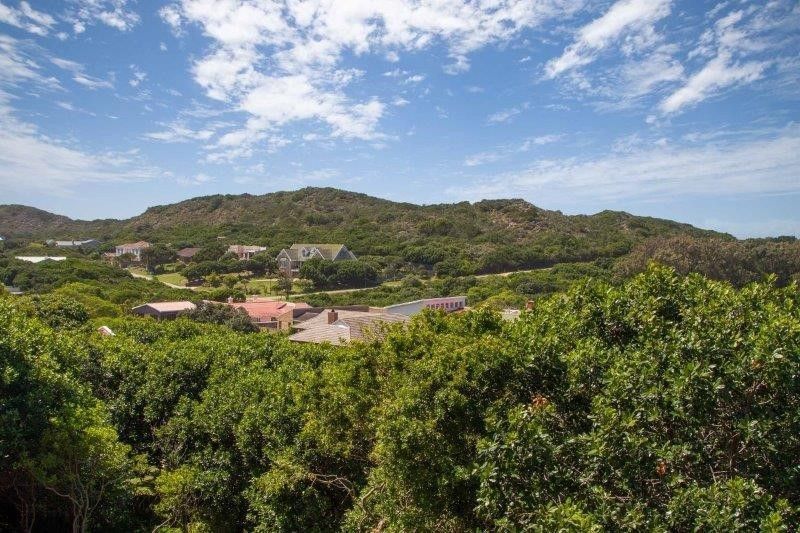
There are so many reasons to travel. Visiting new horizons expands your mindset, offering glimpses into diverse cultures and unique ways of living. South Africa rewards longer stays with variety, warmth, and an easy mix of nature, food, and local character.
In most countries, borders have opened up, and tourism is back on track. It's no longer a matter of if you go—but where. That decision-making process comes down to research, and we're here to help you do it.
When choosing a destination for a longer stay, the country in question should:
- Be welcoming to ex-pats,
- Have a good quality of life,
- Be affordable,
- Boast good infrastructure, and
- Have reliable internet.
South Africa's 'mother city', Cape Town, has a huge amount to offer. It combines dramatic landscapes, strong food culture, and modern infrastructure in a way few destinations can match.
But it's not just Cape Town that ticks all the right boxes. There are excellent places to stay all over the country, including smaller towns that offer a slower, more personal experience.
If you're thinking about choosing South Africa for your next extended trip, this guide covers the essentials.
We're coming to South Africa! Now, where do we stay?
Nestled between the Atlantic and Indian oceans, South Africa's environment boasts stunning scenery and ample variety. With 11 official languages, South Africa is one of the most diverse countries in the world, meaning locals are generally welcoming to international travellers.
The country's most visited locations are, of course, its major cities. Cape Town, Durban, and Johannesburg offer world-class infrastructure, accommodation to suit any budget and breathtaking natural scenery. Each metropolitan hub has unique selling points, which we'll unpack in greater detail later on. Despite their benefits, these areas are incredibly busy and can overwhelm travellers who prefer a more intimate setting.
Luckily, cities aren't the only option for visitors to South Africa. There are hundreds of small towns scattered along the country's coasts, many of which are wonderfully set up for relaxed, independent travel. Kenton-on-Sea, for example, is a quaint town with pristine beaches and cosy cafes: a secluded sanctuary for anyone who prefers to wander off the beaten track.
Why South Africa works so well for longer stays
South Africans are accommodating and friendly, and the country offers a rare combination of natural beauty, good value, and travel variety. Here are a few reasons it works so well for visitors staying more than just a few days.
1. Accessibility
South Africa is well connected internationally, has strong tourism infrastructure, and makes it easy to combine city time with quieter coastal or countryside stays. Depending on your nationality and travel plans, visa requirements may vary, so it is worth confirming current entry rules before you book.
- Proof of your salary
- Your medical aid
- Proof of your accommodation
2. Reliable services
Many newcomers to South Africa are surprised at how developed much of the country is. With a mix of large modern cities and quieter rural areas, you can choose the pace and setting that suits your trip.
You can stay in places surrounded by natural landscapes or in the bustle of the city. Either way, you'll usually have access to transport, electricity, clean water, comfortable lodging, and all the essentials for a smooth stay.
3. Low cost of living
South Africa's major cities offer museums, art galleries, plenty of restaurants, and powerful historical landmarks. They're also multicultural, making your stay fresh and varied. Compared to the UK, US, and parts of Europe, many aspects of travel in South Africa are still relatively affordable.
4. Community
South Africa is a friendly country, and it is easy to strike up conversations in guesthouses, restaurants, markets, and on local excursions. If you like meeting people while travelling, you will not struggle to find company.
Great Places to Base Yourself in South Africa
There are so many options to choose from when it comes to location. You'll stay in different cities for different reasons. Let's unpack some of the best reasons to stay in Cape Town, Durban, and Johannesburg, and more low-key locations.
Cape Town
Cape Town is a must if you want to experience a blend of the modern and historical. The city sits in the middle of the Cape Floral Kingdom, one of the richest botanical regions on earth.
In addition to its plant diversity, Cape Town also has some of the best coffee shops and casual places to settle into for an afternoon. The city mixes polished urban comforts with strong local character.
Some of the best coffee shops in Cape Town we recommend are:
- Seed & Circus
- Stellski's
- Shift Espresso Bar
- Truth Coffee
- The Ladder
- The Blue Cafe
Accommodation in Cape Town is slightly more expensive than in other cities in the country, but its abundant natural landmarks make up for the surge in expenses. The more built-up areas of Cape Town also have dependable service delivery, including fibre Wi-Fi, functioning grocery apps, and reliable public transport. Its local bus services are affordable and easy to use. Should you wish to travel outside of the city's boundaries, it's best to use Uber or rent a vehicle.
When to visit: The best time to visit Cape Town is between March and May or September to November. You'll miss the windy season and avoid the December crowds that'll hike up accommodation costs and crowd its natural scenery.
Durban
Durban is a coastal city that bustles on the shores of the warm Indian Ocean—making dips and surfs quite amiable and fueling a more tropical landscape than its Capetonian counterpart. Durban's culture is different too. The city's potluck population is a diverse blend of Indian, African, and Colonial-English heritage. Staying in Durban gives you access to authentic Indian cuisine, vast sugar cane fields, warm rock pools, and evergreen tropical forests.
Durban also has all the familiar comforts you might want on a longer trip, including malls, coffee shops, and easy access to the coast. Overall, Durban offers blue flag beaches, outdoor activities, and a more affordable pace than Cape Town or Johannesburg.
When to visit: Much like Cape Town, we recommend avoiding a visit in December. Since Durban is tropical and its oceans are almost always warm, you can travel there all year round. However, some recommend avoiding the harsher temperatures and humidity in the summer. We advise visiting Durban in the Autumn or Winter—between April and September.
Johannesburg
If you're looking for somewhere more cosmopolitan, Johannesburg is well worth considering. The city is energetic, creative, and full of accommodation options across a wide range of neighbourhoods.
Jo'burg, as locals warmly know it, is touted as the largest man-made forest. Perched on South Africa's plateau in the Gauteng Province, you can see trees interspersed with tall buildings for miles on a clear day. The city centre hosts regular markets and has a lively nightlife that's worth exploring.
When to visit: Johannesburg is pleasant to visit all year round, and although its winters can be dry and cold, the city rarely drops below zero. From a costs perspective, it makes sense to travel to Johannesburg in December. The weather is great, and accommodation prices are low because, as you may know by now, South Africans flock to the coast by the millions in summer.
We recommend planning your trip for Spring, from September to November, for a more festive period during which you can experience the full Jo'burg vibe. If you visit in Spring, you'll also experience the city's famous afternoon thunderstorms and see the purple jacarandas bloom prolifically throughout the city.
The Eastern Cape – a local secret
The Eastern Cape is a less popular but highly worthwhile part of the country to explore. Its beaches and natural reserves are wild, untouched, uncrowded, and often more affordable. If you want to get off the beaten track and experience South African life more intimately, Kenton-on-Sea might be your perfect base.
Kenton-on-Sea: An off-beat alternative to Cape Town
Sitting between the Kareiga and Bushman's River, Kenton-on-Sea's natural scenes are simply unparalleled. Its blue flag beaches are some of the best in the world. They're also practically untouched, making them feel quite private.
The lagoons form a calm estuary, perfect for a cooling dip or kayak. Its waters are ideal for water skiing for the more adventurous spirit. On windy days, you can visit the quieter beaches and try your hand at windsurfing.
Kenton-on-Sea has a small village with all the necessary amenities, making it an easy and comfortable place to stay for a while. It also offers excellent value compared with many better-known coastal destinations.
Butterfly Guest House is a fully equipped retreat for holidays and longer stays. It has generous living space, a well-equipped kitchen, excellent coffee equipment, and easy access to the village's cafes and restaurants.
Kenton is a short drive away from the famous Addo Elephant National Park, the booksy village of Bathurst, and enchanting forest walks. Unlike the larger cities, leisure activities and entertainment options in the Eastern Cape are generally safe, affordable, and uncrowded. Kenton-on-Sea is the perfect place for explorers looking for an authentic taste of the local experience.
With natural scenery to keep you inspired and prompts for making memories that'll last a lifetime, South Africa is well worth visiting for an extended period. Should you wish to enquire about Butterfly Guest House in Kenton-on-Sea, reach out to us on our booking form or send us an email.
Practical Information for Your Stay
Transport around South Africa
Public transport around South Africa isn't always reliable or safe. For long-distance travel, we recommend hiring a car. If you find yourself in a major city, you can get a taxi from the airport or download Uber on your phone. Cape Town's local buses work fine, and Johannesburg's Gautrain subway service is a viable option too.
The South African airports between established cities are also highly equipped, and flights between cities are affordable if they are booked in advance.
Safety and security in South Africa
Due to its colonial history, the wealth gap in South Africa is large, which increases petty crime and burglaries. Safety is a common concern for visitors, but like many countries, South Africa can be travelled confidently if you take sensible precautions.
To ensure your safety, do not carry around flashy items like your phone or camera in clear view, walk-in pairs, and avoid walking at night. Smaller towns like Kenton-on-Sea are safer than the larger cities like Cape Town and Johannesburg. By supporting the local economy and taking the necessary precautions, you'll reap all the rewards of living like a South African while benefitting the country at large.
When to visit South Africa
One of South Africa's many wonders is its subtropical climate. Warm, temperate conditions are moderated by the altitude of the interior plateau and the presence of the ocean, which surrounds the country on three sides.
Nonetheless, Johannesburg and the Cape are known to get cold between May and September. So, if you're looking for a summery-beach style holiday, we recommend travelling in the spring or summer.
However, since school holidays and Christmas celebrations kick off at the end of November and throughout December, you may want to avoid travelling to the coast in December specifically. If you do choose to brave the masses, you'll be met with price hikes, booked-out accommodation, and unpleasantly crowded beaches.
A winter trip is an excellent choice should you wish to stay in Durban and travel to the local nature reserves. If you want to explore Cape Town, Johannesburg, or some of South Africa's best-kept secrets (like the Eastern Cape), we recommend timing your visit in the spring or late summer. February to April or September to November are the ideal times to visit South Africa.